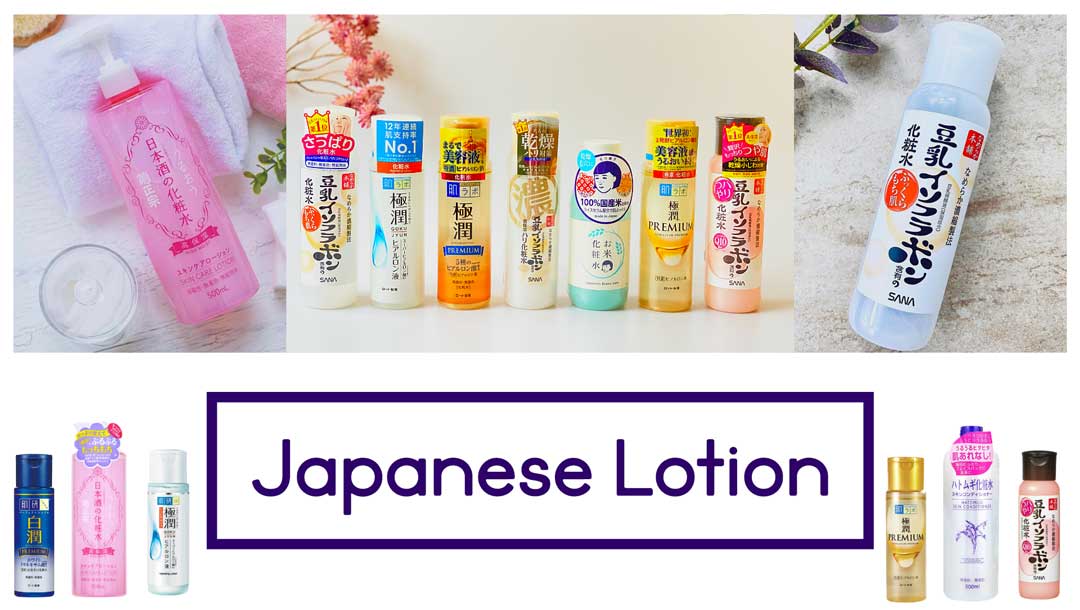
If you’ve ever come across Japanese lotions being raved about online, you might have wondered why they’re called “lotions” when they look just like water. It’s a common question, especially for beauty fans in the West who expect lotions to be thick and creamy. So, what’s the deal? In the world of J-Beauty, these so-called lotions are actually watery, lightweight moisturizers—and they’re very different from the toners you’ll find in typical Western routines. Most of us end up calling them “Japanese toners,” but that doesn’t quite capture their true purpose. These lotions are designed to be used right after cleansing, drenching your skin in hydration and setting the stage for the rest of your skincare.
In the West, we usually reserve the word "lotion" for creamy, white textures we rub into our arms and legs. But in Japan, a lotion is something entirely different—and it might just be the missing link in your skincare routine.
Today, we are clearing up the confusion. We will explore exactly what Japanese lotion is, why it is vastly different from the Western toner you grew up with, and how the "Double Moisturizing" method can give you that coveted, bouncy "mochi skin."
Wait, Why Is It Called "Lotion"?
Let’s address the elephant in the room. The term "lotion" is confusing for many of us in the Western world. Why aren't they just called toners?
In the West, we often refer to these products as "Japanese toners" simply because they share a watery consistency. However, calling them toners is a bit misleading because they function very differently from the astringent products we typically find in our local drugstores.
Japanese lotions are essentially watery moisturizers. They are designed to be the very first step of hydration after you wash your face. Their job isn't to clean; it is to give your skin a big drink of water.
Western Toners vs. Japanese Lotions: The Big Difference
To understand why Japanese lotions are special, we have to look at what they are replacing in your cabinet.
Western Toners:
Historically, Western toners were designed as a second cleansing step. They are often astringent and used to wipe away any leftover makeup, dirt, or oil that your cleanser missed. While effective at cleaning, they often contain alcohol, which can be drying and strip the skin of its natural oils.
Japanese Lotions:
Japanese skincare philosophy takes a gentler approach. Because the Japanese routine relies heavily on thorough double cleansing, there is no need for a harsh astringent to "finish the job." Your face is already clean!
Instead, Japanese lotions focus on balancing your skin’s pH level and softening the outer layer of the skin. Think of your skin like a dry sponge. If you put heavy cream on a dry sponge, it just sits on top. But if you wet the sponge first, it absorbs everything instantly. That is exactly what a Japanese lotion does—it preps your skin to soak up the serums and moisturizers that follow.

Level Up With Double Moisturizing
Most beauty fans are already experts at the "double cleansing" method (using an oil cleanser followed by a water-based foam). Now, it is time to meet its partner: Double Moisturizing.
You likely start your evening routine with double cleansing to remove makeup, sunscreen, and pore-clogging dirt. This ensures your canvas is perfectly clean. Since you don't need an astringent toner to remove dirt, you can move straight to hydration.
We want to achieve supple, "mochi" skin—skin that is soft, plump, and bouncy like the famous rice cake.
- Step One: The Lotion. This hydrates the skin deeply and softens the texture. It is the hydration boost.
- Step Two: The Emulsion or Cream. This seals all that moisture in.
Japanese lotions often carry benefits beyond simple hydration. Depending on the bottle you pick, you might find ingredients for brightening, anti-aging, or pore care. Never underestimate this step; skipping it can lead to dehydrated skin, which often manifests as dullness, sensitivity, and fine lines.

How to Apply Japanese Lotion Like a Pro
You have your bottle of watery magic. Now, how do you get it onto your face? You have a few options, and they are all great for your skin.
The Patting Technique
This is the standard application method.
- Pour a moderate amount of lotion into your palms.
- Rub your hands together briefly to warm the product.
- Gently pat the lotion into your skin.
- Continue patting until your face feels cool and the product is fully absorbed.
The Cotton Pad Press
If you prefer using tools, you can use a cotton pad.
- Saturate a cotton pad with the lotion.
- Instead of wiping, gently press and hold the pad against your skin.
- Move around your face, pressing hydration into your pores.
The DIY Lotion Mask
If you want to pamper yourself but ran out of sheet masks, try this favorite trick of Japanese women.
- Soak several cotton pads in your Japanese lotion.
- Place the wet pads on your cheeks, forehead, and chin.
- Leave them on for 5 to 10 minutes.
- Remove them when the lotion is absorbed.
It creates an intensive hydration treatment without the cost of a fancy mask!
The Summer Mist Hack
This is a game-changer during a heatwave.
- Mix your favorite J-beauty lotion with a little distilled water in a spray bottle (if the lotion is already very watery, you can skip the water).
- Store the bottle in the fridge.
- Spray it on your face for an instant cool-down that also hydrates your skin.
Don't Forget Your Body
We often focus so much on our faces that we neglect the skin below our neck. During colder months, your body skin can get dehydrated and itchy, too.
You can apply the double moisturizing concept to your body care. Apply your Japanese lotion to your arms and legs right out of the shower, then follow up with your standard body butter or cream. It acts as a hydration primer, making your body lotion work twice as hard.
Ready to Hydrate?
Understanding the difference between a Western toner and a Japanese lotion is the first step toward better skin health. By adding this layer of "watery moisture" to your routine, you ensure your skin is balanced, prepped, and ready to glow.
Give double moisturizing a try tonight—your skin will thank you for it


